
There are plenty of good ideas,
Why have any more
Deborah Evans-Stickland
Deborah Evans-Stickland, former lead singer of The Flying Lizards, once said, “There are plenty of good ideas. Why have any more?” This quote emphasizes the importance of simplifying ideas and focusing on quality over quantity. In this blog post, we discuss how simplifying ideas can lead to better decision-making, increased productivity, and improved creativity.

The Problem of Idea Overload:
In today’s fast-paced world, we are constantly bombarded with an overwhelming amount of information and ideas. This can lead to idea overload, where we are unable to focus on any one idea long enough to develop it fully. Idea overload can also lead to decision paralysis, where we become so overwhelmed with options that we are unable to make a decision at all.
The Benefits of Simplifying Ideas:
Simplifying ideas can help us overcome idea overload and improve our decision-making, productivity, and creativity. By focusing on a few key ideas, we can develop them more fully and give them the attention they deserve. Simplifying ideas can also help us make better decisions, as we are not distracted by too many options and can focus on what is most important.
Focusing on Quality over Quantity:
When we simplify our ideas, we can focus on quality over quantity. Rather than trying to come up with as many ideas as possible, we can focus on developing a few really good ideas that have the potential to make a real impact. This can lead to more effective problem-solving, innovation, and creativity.
Conclusion:
Deborah Evans-Stickland’s quote highlights the power of simplicity and the importance of focusing on quality over quantity when it comes to ideas. By simplifying our ideas and focusing on a few key ones, we can improve our decision-making, productivity, and creativity. In today’s world, where we are constantly bombarded with information and ideas, simplifying our ideas can help us achieve more with less and make a real impact.
Click here to see an interview with Deborah Evans-Stickland, one-time vocalist with the British experimental pop band The Flying Lizards. The band had a hit single in 1979 with the song “Money (That’s What I Want)”
More About Deborah Evans-Stickland
Deborah Evans-Stickland: The Versatile Singer and Voiceover Artist
In this blog post, we will explore the multifaceted career of Deborah Evans-Stickland, a former singer and voiceover artist who has left an indelible mark on the music industry. From her captivating vocals in The Flying Lizards to her impressive voiceover work, Deborah’s talent and versatility have made her a sought-after artist. Join us as we delve into her musical journey and discover the range of her artistic contributions.
The Voice Behind the Hits
Deborah Evans-Stickland gained recognition as the lead vocalist in the hit song “Money” by The Flying Lizards. Her distinctive voice and captivating performance on this track propelled the band to success and solidified her place in music history. With her unique style and delivery, Deborah brought a fresh and innovative sound to the music scene, captivating audiences worldwide.
A Versatile Artist
Deborah’s talent extended beyond her work with The Flying Lizards. She showcased her versatility as a singer and voiceover artist, leaving her mark on various projects. Her vocal prowess and ability to adapt to different genres and styles allowed her to collaborate with diverse artists and explore new musical territories.
Voiceover Work – Bringing Words to Life
In addition to her singing career, Deborah Evans-Stickland made a name for herself in the world of voiceover work. Her captivating voice and ability to convey emotion through her vocal delivery made her a sought-after artist for commercials, documentaries, and other audiovisual projects. Her voice brought words to life, leaving a lasting impact on audiences.
Collaborations and Notable Projects
Throughout her career, Deborah collaborated with a range of artists and worked on notable projects. From lending her vocals to commercials to contributing to albums and soundtracks, her talent and versatility shone through in every endeavour. Her collaborations showcased her ability to adapt to different musical styles and genres, further cementing her reputation as a versatile artist.
The Legacy of Deborah Evans-Stickland
Deborah Evans-Stickland’s contributions to the music industry have left a lasting legacy. Her captivating vocals and versatile talent continue to inspire and influence artists today. Her work with The Flying Lizards and her voiceover projects have become iconic, leaving an indelible mark on the music and media landscape.
Recognition and Discography
Deborah’s talent and contributions have not gone unnoticed. She has been recognized for her exceptional work and has received acclaim from both critics and fans alike. Her discography showcases her diverse range of musical projects, from her work with The Flying Lizards to her solo endeavours and collaborations.
The Journey Continues
While Deborah Evans-Stickland may have stepped away from the spotlight, her impact on the music industry remains. Her talent and versatility continue to inspire aspiring artists, and her contributions to the world of voiceover work have set a high standard for excellence. Although her musical journey has taken different paths, her artistic spirit and passion for her craft will always be remembered.
A Lasting Inspiration
Deborah Evans-Stickland’s career serves as a reminder of the power of artistic expression and the ability of music to transcend boundaries. Her unique voice and versatile talent have left an indelible mark on the industry, inspiring future generations of artists to push boundaries and explore new creative avenues. Her legacy will continue to resonate with music lovers and aspiring artists for years to come. Meta Description: Explore the versatile career of Deborah Evans-Stickland, from her captivating vocals in The Flying Lizards to her impressive voiceover work. Discover the lasting impact of her talent and versatility in the music industry.
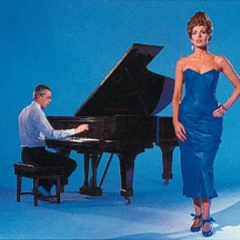
The Flying Lizards: A Journey into Experimental Sounds
Introduction
Welcome to our blog post dedicated to the enigmatic and innovative band, The Flying Lizards. Known for their experimental approach to music and unique sound, this British group has left an indelible mark on the music industry. Join us as we delve into their fascinating history, explore their discography, and uncover the impact they’ve had on the world of music.
The Origins: From Art School to the Music Scene
The Flying Lizards emerged from the vibrant art school scene of the late 1970s. Founded by David Cunningham, a musician and visual artist, the band was initially conceived as a project that aimed to challenge traditional notions of music and push the boundaries of sonic experimentation. Drawing inspiration from various art movements and avant-garde influences, The Flying Lizards set out to create a truly unique musical experience.
A Sonic Revolution: The Experimental Sound of The Flying Lizards
At the core of The Flying Lizards’ music lies their commitment to experimentation. Their sound defies categorization, blending elements of post-punk, new wave, electronic, and even pop music. With their unconventional use of instruments, sampling techniques, and minimalist approach, The Flying Lizards created a sonic landscape that was both intriguing and challenging.
Charting New Territories: The Flying Lizards’ Discography
The Flying Lizards released a series of albums that showcased their innovative sound and artistic vision. Their self-titled debut album, “The Flying Lizards” (1979), introduced the world to their unique style with tracks like “Money” and “Her Story.” The album received critical acclaim for its bold experimentation and unconventional covers of popular songs.
In 1981, The Flying Lizards released their second album, “Fourth Wall.” This album further pushed the boundaries of their sound, incorporating elements of funk and jazz into their sonic palette. Tracks like “Steam Away” and “The Window” showcased their ability to create infectious grooves while maintaining their experimental edge.
The Legacy Lives On: The Influence of The Flying Lizards
The impact of The Flying Lizards extends far beyond their own discography. Their experimental approach to music and willingness to challenge conventions paved the way for future generations of artists. Their use of sampling and electronic manipulation foreshadowed the rise of electronic music and influenced genres such as industrial, trip-hop, and even hip-hop.
Rediscovering The Flying Lizards: A Cult Following
While The Flying Lizards may not have achieved mainstream commercial success, their music has garnered a dedicated cult following. Their unique sound and artistic vision continue to resonate with fans and inspire new generations of musicians and artists. Their influence can be heard in the work of artists such as Björk, Radiohead, and LCD Soundsystem.
The Enduring Mystery: The Flying Lizards’ Disappearance
After the release of their third album, “Top Ten” (1984), The Flying Lizards seemingly disappeared from the music scene. The reasons behind their sudden departure remain shrouded in mystery, leaving fans and critics speculating about their whereabouts and the reasons for their hiatus. Despite their absence, their music continues to captivate and intrigue listeners to this day.
The Flying Lizards: A Sonic Adventure
Join us on this sonic adventure as we explore the world of The Flying Lizards. From their experimental sound to their lasting influence, this band has left an indelible mark on the music industry. Discover their discography, immerse yourself in their unique sound, and uncover the secrets behind their enigmatic disappearance. The Flying Lizards are a testament to the power of artistic exploration and the enduring impact of innovative music.
